Air pollution is not just a Delhi problem. Morning air quality readings from six cities in Jharkhand reveal concerning pollution levels, highlighting the need to broaden India’s environmental debate beyond metropolitan centres and pay greater attention to smaller cities and industrial regions.
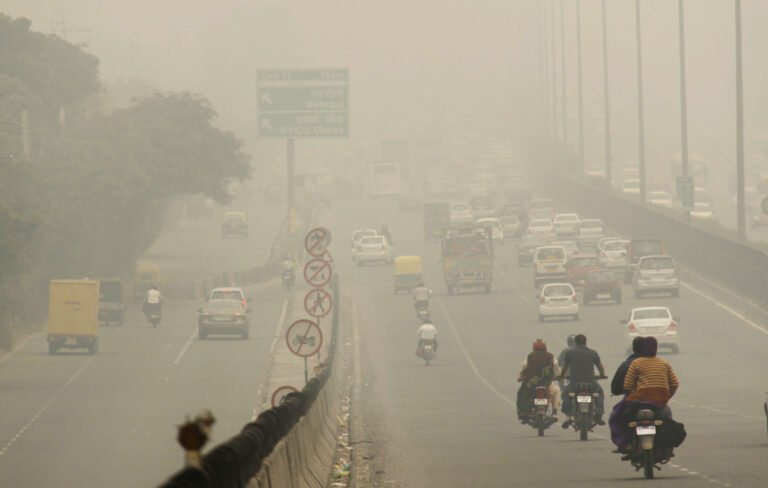
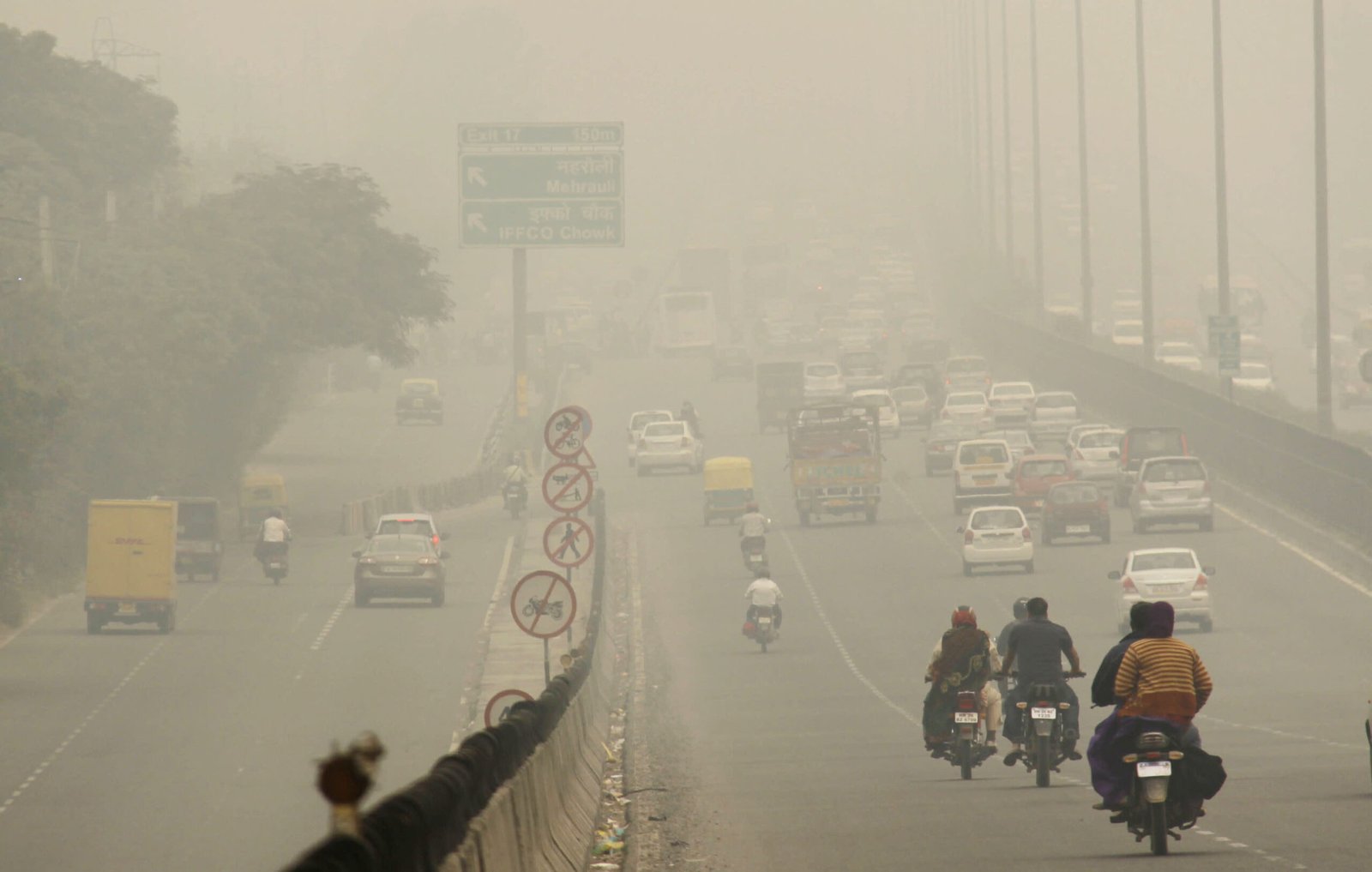
Air pollution in India is often discussed through the lens of Delhi, particularly during periods when the national capital experiences deteriorating air quality. The city’s pollution crisis has rightly attracted considerable public and policy attention. However, air quality concerns are not confined to Delhi or the National Capital Region. Readings from several cities in Jharkhand underline the importance of recognising pollution as a wider environmental and public health challenge across the country.
According to data available on AQI.in’s Jharkhand air quality dashboard, at approximately 8:00 AM IST on 10 November 2026, several cities in the state reported elevated pollution levels. Dhanbad recorded an AQI (US) of 319, falling in the hazardous category. Hazaribagh followed with an AQI of 235, while Chittaranjan recorded 207 and Ranchi 198. Chakradharpur reported an AQI of 174, whereas Jamshedpur recorded 133. The readings indicate that air quality concerns extend across multiple urban and industrial centres in Jharkhand, rather than being restricted to a single city.
Dhanbad records the highest AQI among the six cities
Among the six cities covered in the reported data, Dhanbad recorded the highest AQI at 319. Its particulate matter concentrations were also notably elevated, with PM2.5 at 233 µg/m³ and PM10 at 320 µg/m³. Hazaribagh also reported considerable particulate pollution, with PM2.5 levels of 160 µg/m³ and PM10 levels of 190 µg/m³. Chittaranjan recorded PM2.5 at 132 µg/m³ and PM10 at 157 µg/m³, while Ranchi reported PM2.5 at 121 µg/m³ and PM10 at 222 µg/m³.
Chakradharpur recorded PM2.5 at 89 µg/m³ and PM10 at 106 µg/m³. Jamshedpur, despite having the lowest AQI among the six cities at 133, reported PM2.5 levels of 49 µg/m³ and PM10 levels of 116 µg/m³. These figures suggest that particulate pollution deserves closer examination across the state. However, a single set of readings cannot establish long-term pollution trends or identify the precise sources responsible for the recorded concentrations.
The pollution conversation cannot remain Delhi-centric
Delhi has become synonymous with India’s air pollution debate, with its deteriorating air quality regularly attracting national attention. However, an excessive focus on one metropolitan region risks overlooking the environmental challenges faced by other parts of the country. Jharkhand provides an important example of why the conversation needs to expand.
The state has several industrial, mining and urban centres. Dhanbad is an important coal-mining and industrial region, while Jamshedpur has a significant industrial presence. Ranchi and other urban centres are also experiencing the pressures associated with urbanisation and growing economic activity. Industrial emissions, mining-related activities, construction dust, road dust, vehicular emissions, waste burning and other local sources may contribute to air pollution in different parts of the state.
However, the contribution of each source varies by location and needs to be established through scientific assessments and local emissions studies. It would be premature to attribute the reported AQI figures to any single activity without supporting evidence. The larger concern is that industrial towns, mining districts and expanding urban centres need the same seriousness in air quality monitoring and pollution management as major metropolitan cities.
Why PM2.5 and PM10 readings deserve attention
Beyond the overall AQI, particulate matter concentrations are important indicators of air quality and potential public health risks. PM2.5 refers to fine particulate matter with a diameter of 2.5 micrometres or less. Because these particles are extremely small, they can penetrate deep into the lungs and may enter the bloodstream. Long-term exposure is associated with increased risks of respiratory and cardiovascular diseases.
PM10 refers to particles with a diameter of 10 micrometres or less. These particles can enter the respiratory system and contribute to respiratory irritation and other health problems. The elevated PM2.5 and PM10 readings reported in Dhanbad, Hazaribagh, Chittaranjan and Ranchi therefore deserve attention. People who may be particularly vulnerable to poor air quality include children, older adults and individuals with existing respiratory or cardiovascular conditions.
At the same time, it is important to distinguish between a short-term air quality reading and long-term exposure. One morning’s data cannot determine the overall health impact on a city’s population. Consistent monitoring, exposure assessments and public health studies are needed to understand the broader implications.
Smaller cities need stronger air quality monitoring
One of the important questions raised by these readings is whether sufficient attention is being given to air quality in smaller cities and industrial districts. While metropolitan areas often have greater visibility in national pollution discussions, residents of smaller cities also face potential exposure to harmful pollutants. The absence of regular media attention does not necessarily mean that air quality is satisfactory.
Jharkhand’s cities need consistent monitoring, transparent publication of pollution data and systematic identification of local emission sources. Authorities should examine industrial emission controls, construction practices, road dust management, waste disposal systems and vehicular pollution. The appropriate measures will depend on the specific environmental conditions and pollution sources in each city.
Strengthening air quality monitoring infrastructure is equally important. Reliable data collected over extended periods can help identify seasonal variations, pollution hotspots and recurring sources of emissions. Public awareness also needs to improve. Residents should have access to timely and understandable information about local AQI levels, associated health risks and appropriate precautions during periods of poor air quality.
A nationwide approach is necessary
The air quality readings from Jharkhand should not be viewed as an attempt to establish whether the state is more polluted than Delhi. Such a comparison would require readings from the same date and time, using comparable measurement systems and monitoring conditions.
Instead, the larger message is that air pollution is not an issue exclusive to Delhi or a handful of metropolitan cities. It is an environmental challenge that requires attention across India’s urban, industrial and mining regions. Delhi must continue to receive the attention its pollution crisis demands. However, cities such as Dhanbad, Hazaribagh, Chittaranjan, Ranchi, Chakradharpur and Jamshedpur should not be overlooked.
Pollution control cannot be limited to emergency responses when air quality deteriorates in major cities. It requires sustained monitoring, preventive action, effective enforcement of environmental standards and accountability at the local and state levels. India needs a more decentralised approach to tackling air pollution, with state governments, local administrations, industries and communities playing an active role.
Clean air is not a metropolitan privilege. It is a basic environmental necessity for every citizen, regardless of whether they live in Delhi, Jharkhand or any other part of the country. The morning readings from Jharkhand serve as a reminder that India’s air pollution challenge is much wider than the boundaries of its national capital. Addressing it effectively will require looking beyond the most visible pollution hotspots and paying equal attention to cities and communities across the country.
About the Author